
GUEST COLUMN
Twenty years ago on a hot, humid, mid-summer evening, I sat in a non-descript office in front of a Dell 486 computer in Sacramento, California. The downtown office sat directly over an Indian restaurant, and the triple-digit heat combined with curry made for something less than the most pleasant of circumstances. Sitting right behind me on my left was a certain state legislator, whose name shall go unstated here. Sitting behind me on my right was another state legislator, likewise anonymous to protect the guilty. The two legislators held neighboring districts, and the office was that of the Assembly Republican Caucus redistricting staff, of which I was the most junior member, having graduated from college just the year before.
Months before, the Republican and Democratic legislative caucuses had come to an agreement on redistricting. Each party would shore up their existing seats in a bipartisan gerrymander. The Democrats had entered the cycle with 50 Assembly seats including two marginal seats in the southern corners of the state. The Democrats would draw those 50 seats. Republicans would draw their own 30. Because the legislators on my right and left were neighboring Republicans, they would decide where the line between them was drawn.
And so after months of war-gaming, hypotheticals, contingency planning, and—yes—political intrigue, the process came down to a certain major thoroughfare in a certain part of suburban California. As the mouse traveled down the district, every so often it took a right or left hand turn as the two legislators reached agreement on the shape of their respective districts. The line I drew was precisely the way the final districts looked.
Of particular interest in San Bernardino County, early maps had shifted an eastern LA County seat into western San Bernardino County so the incumbent Republican could hold the seat. This created a Republican-leaning seat centered in Redlands.
One Assembly state legislator that night, after months of back and forth, sat down and literally drew his own district—recognizing that it would give him an advantage in a forthcoming State Senate primary showdown. That district ended up just as it was drawn that night as well, and the legislator in question ended up being correct about his primary showdown two years later.
I must admit that I was not entirely a technician. Of particular interest in San Bernardino County, early maps had shifted an eastern LA County seat into western San Bernardino County so the incumbent Republican could hold the seat. This created a Republican-leaning seat centered in Redlands. Political pressures came to bear on a variety of scores. The Democrats didn’t want La Canada in any of their districts (and having known people who live in La Canada, who can blame them?), and Republicans were divided about their intentions for San Bernardino County.
The solution? Large swaths of mountain and forest connected La Canada, eastern Los Angeles County, Adelanto, and Mentone in one of the largest districts in the history of the Assembly. Meanwhile, a small transportation corridor carved through the San Bernardino foothills connected Redlands to Upland and Rancho Cucamonga in a second, more traditionally-shaped gerrymander. And, perhaps foreshadowing later Republican obsessions with all things firearms, the district next door was shaped just like a pistol aimed at Nevada.
The bipartisan gerrymander was lauded within the halls of the Capitol. My modest contribution to the cause netted me a proclamation from the State Assembly, which hangs on the wall of my office. The plans passed overwhelmingly.
The day the vote was scheduled, I received a phone call just before 8 a.m. from a colleague who was driving me into work that day: Make sure you bring your identification today, they’re checking it at the Capitol. Sure, I said, and thought little of the discussion.
At that, I turned on the television and sat down to await his arrival at our apartment. The date was Sept. 11, 2001.
Later observers suggested that the California Legislature had used the Sept. 11 attack to “sneak” the gerrymander through a vote, but nothing could be further from the truth. There was no need to sneak anything through anywhere. The vote was a done deal. The caucuses had agreed, and so far as I know, any calls to coordinate with Osama Bin Laden had gone unreturned. Republicans—as they so often manage—seemed particularly outraged with the gerrymander in retrospect, claiming that it had hamstrung their efforts to grow.
As a registered Democrat in 2021, reflecting on those arguments is quite amusing now.
After I left Sacramento for law school, Gov. Gray Davis was recalled and Arnold Schwarzenegger elected to replace him. A reformist air settled over the state for a brief period, long enough for the State to replace the process of which I had been a part with a citizens’ committee ostensibly free from the kind of nakedly self-interested decisions which had animated the process before that time.
This is now the second cycle for that process, which was supposed to make California’s politicians more responsive to—and more reflective of—their constituencies. Is it working? Do you feel better represented than you were twenty years ago? If not—and I can’t imagine very many people believing that any level of government has become more responsive over the past two decades—perhaps we should admit that what ails our politics goes far deeper than who holds that decade’s proverbial political jigsaw.
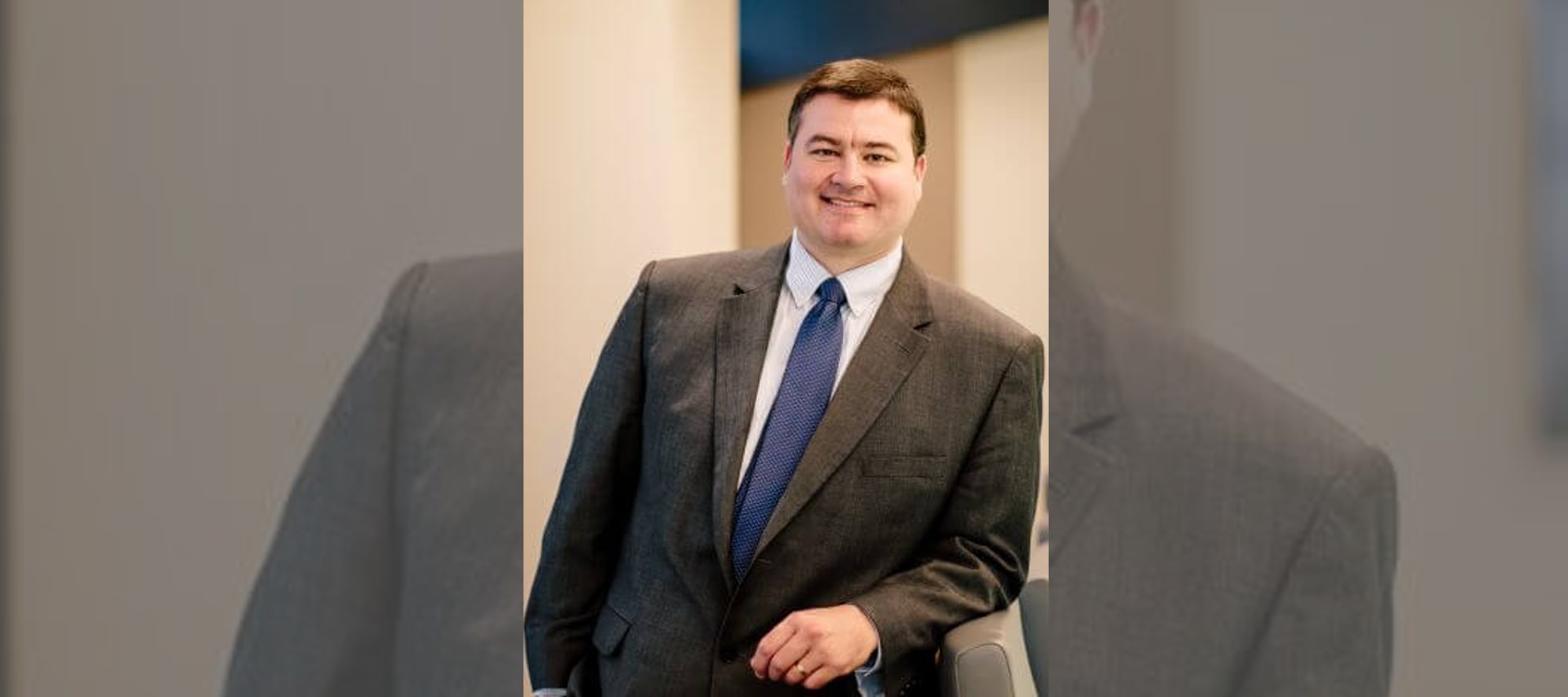
Steven Haskins is a partner at McCune Wright Arevalo who specializes in class actions, complex litigation, and appeals and writs. Reach him at sah@mccunewright.com or (909) 551-3225.
Guest columns are welcome by email to tcm@FollowOurCourts.com