

Elders are among the most vulnerable members of our community and are particularly susceptible to abuse. Elder abuse occurs when an elderly person is mistreated, physically, psychologically or exploited financially.

Nursing home residents are vulnerable to abuse due to decreased ability to care for themselves and chronic illnesses that may limit their physical and cognitive functioning.  Many are unable to report abuse and neglect, or are fearful that such reporting may lead to retaliation, especially if they are dependent on — at the mercy of — nursing facility staff for virtually every aspect of their daily existence: bedding, hygiene needs, food, medical treatments and mobility.

Some studies have shown as many as 44% of nursing home residents have been abused or neglected.
Steven Weinberg, McCune Wright Arevalo LLP

Federal law explicitly states that “…residents have the right to be free from verbal, sexual, physical and mental abuse….”

The California Legislature recognizes that elders and dependent adults may be subjected to abuse, neglect, or abandonment and that this state has a responsibility to protect these people.

Studies show that there are approximately 2.5 million residents in long-term nursing and residential care facilities in the United States. Some studies have shown as many as 44% of nursing home residents have been abused or neglected.

Who is an elder?

In California, elders are defined people 65 years and older.

What is elder abuse?

California civil law defines elder abuse as physical abuse, neglect, financial abuse, abandonment, isolation, abduction, or other treat resulting in harm, pain or mental suffering to an elder. It also means the deprivation of a care custodian of goods or services that are necessary to avoid physical harm or mental suffering.

Here is a list of some things that constitute elder abuse:

Abandonment: The desertion of an elder by someone who is a caregiver

Abduction:  The removal, without the consent of the conservator or conservatee to another state

Financial abuse: The wrongful taking or use of an elder’s funds, property or assets

Isolation: The intentional prevention of an elder from receiving mail, telephone calls or visitors

Mental suffering: The infliction of fear, agitation or confusion through threats, harassment or other forms of intimidating behavior

Neglect: A caregiver’s failure to assist in the elder’s personal hygiene, failure to provide food, clothing or shelter, or to protect the elder from health and safety hazards

Physical abuse: The infliction of physical pain or injury, sexual assault or molestation, or the use of physical or chemical restraints for punishment

Where does elder abuse happen?

Elder abuse most frequently happens in skilled nursing facilities and residential care facilities. Skilled nursing facilities and intermediate care facilities are defined as ones that serve patients who need skilled nursing care on an extended basis.

The elderly residents are dependent on the staff for food, medicine, beds and a roof over their heads, and they often need assistance with virtually every daily activity.

Residential care facilities are an intermediate step between independent living and nursing homes. A residential care facility for elderly is defined as a housing arrangement chosen voluntarily by people 60 years and older in which varying levels of care and supervision, protective supervision or personal care are provided, based on the residents’ needs.

How to recognize abuse

  1. Possible physical abuse and neglect indicators
    The following are clues for recognizing signs of physical elder abuse, it is not intended to be an exhaustive list:
    • Malnutrition and/or dehydration, bedsores, unexplained weight loss
    • Unseen but suspected physical injury, painful reactions when touched
    • Bruises, skin tears, broken bones or teeth
  2. Behavioral indicators
    • Agitation
    • Anger
    • Anxiety
    • Confusion
    • Defensiveness
    • Depression
    • Fear
    • Helplessness
    • Hesitation to talk openly
    • Giving implausible excuses
    • Non-responsiveness
    • Withdrawal
  3. Possible caregiver abuse indicators
    • The elder is not given the opportunity to speak for him/herself
    • Attitude of indifference or anger toward the elder
    • Social isolation or restriction of activity of the elder
    • Conflicting accounts of incidents by caregivers

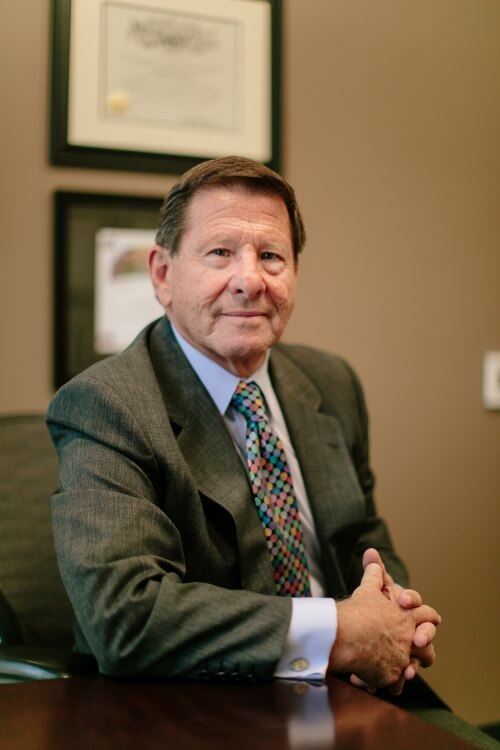
Steven Weinberg is a partner at McCune Wright Arevalo who specializes in nursing home and elder abuse, personal injury, product liability, and medical malpractice. Reach him at sjw@mccunewright.com or (602) 926-7797.

Guest columns are welcome by email to tcm@FollowOurCourts.com

Topics to follow


assignment_turned_in Registrations


Subscribe now for free

Follow Our Courts will never charge for access to our content, and we will not sell your information.

Password must be at least 7 characters long.
Please login to view this page.