
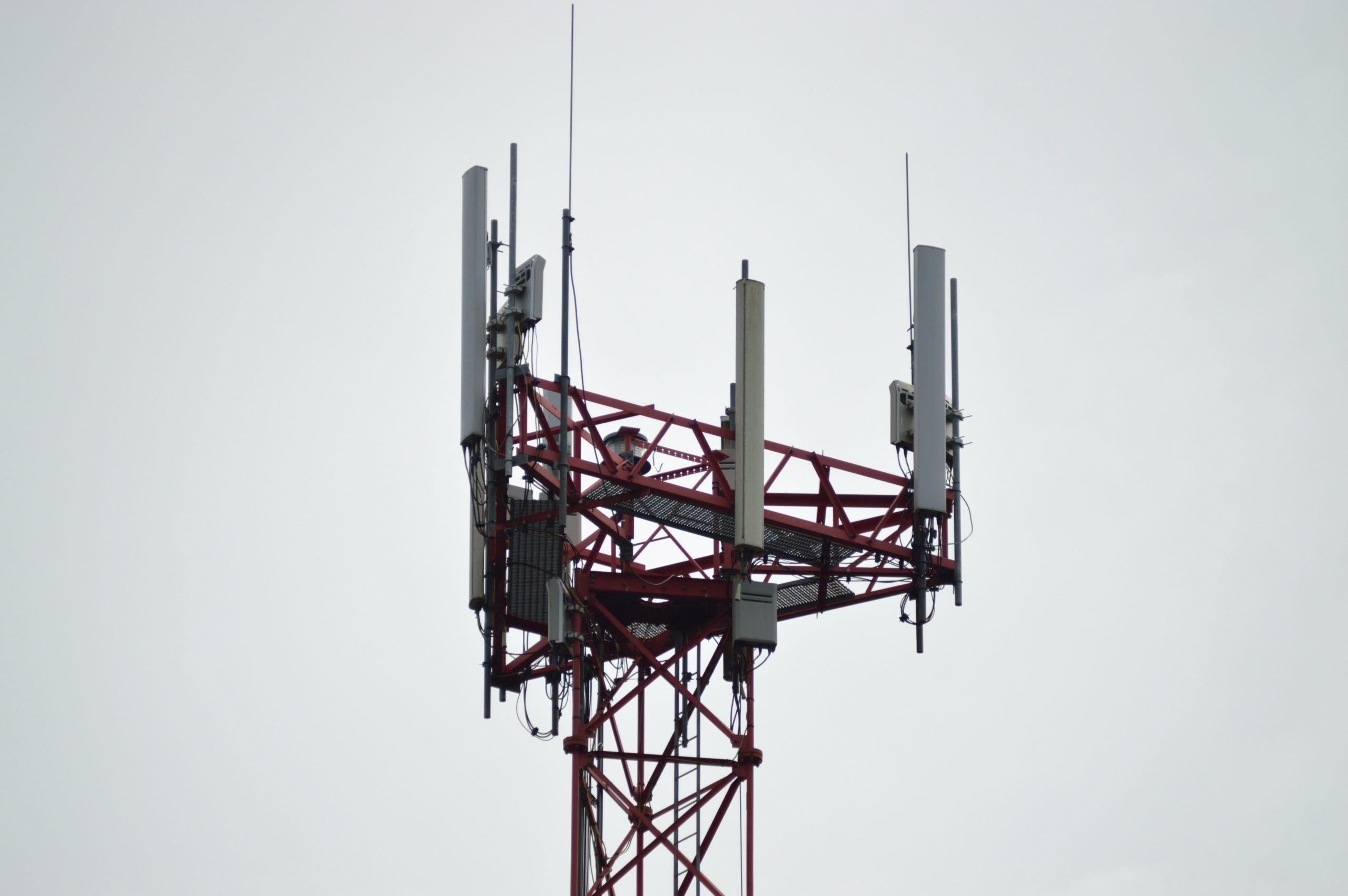

A civil liberty non-profit was not entitled to seven affidavits that would have shed light on San Bernardino County Sheriff’s Department’s use of fake cell phone towers, the Court of Appeal ruled Sept. 15.
Cell-site simulators are government devices that harvest data from cell phones by pretending to be a cell phone tower. The Electronic Frontier Foundation requested to unseal warrants issued by San Bernardino Superior Court, which activated simulators between March 2017 and March 2018.
“The affidavits relate to law enforcement’s digital surveillance activities, techniques that the Legislature has recognized create acute risks to individual privacy and can often sweep up intimate details on wholly innocent individuals,” EFF argued in a court document. “Disclosure of redacted versions of the search warrant affidavits would enable public scrutiny of those activities and oversight of the superior court’s authorization of them while allowing any true need to keep some information in those affidavits sealed.”

EFF argued the affidavits should be released under state law, the First Amendment, the California Constitution and common law.
San Bernardino County Sheriff’s Department declined to unseal most of the packets, claiming they could contain sensitive information about confidential informants.
The department released 80 of 120 requested pages.
“(T)he County’s position is that the public, including EFF, has no First Amendment right of access to any warrant materials sealed upon privileged grounds,” the county argued in a brief. “Not even a qualified right. The California Supreme Court has never ruled there is such a right.”
The San Bernardino Superior Court sided with the sheriff’s department, and EFF appealed.
Appellate ruling
The Court of Appeal disagreed on every argument put forward by EFF.
The court first said that they only needed to review the decision to keep the documents sealed for abuse of discretion, instead of newly considering the petition to unseal the documents as EFF argued. Finding no abuse of discretion, the court affirmed.
The court found that most of EFF’s arguments ignored exemptions to general rules that documents should be inherently open to the public.
“Although granting EFF access to the Hobbs affidavits likely would provide some public benefits, such as enabling greater public oversight of County law enforcement, ‘these benefits are outweighed by the very particular harms described above that would affect the criminal investigatory process,’” the court ruled, quoting the 2012 federal appellate ruling in Fair Finance..
Case information
House counsel Aaron Mackey and Michael Risher of the Law Office of Michael T. Risher represented the Electronic Frontier Foundation.
District Attorney Jason Anderson and Deputy District Attorney Mark Vos represented the District Attorney’s office. County Counsel Michelle Blakemore and Deputy County Counsel Miles Kowalski represented the Sheriff.
San Bernardino Superior Judge Dwight Moore presided at the trial court level.
Fourth District Court of Appeal, Division Two, Associate Justice Carol Codrington wrote the published ruling, which Presiding Justice Manuel Ramirez and Associate Justice Douglas Miller joined.
San Bernardino Superior Court case number CIVDS1930054.
Appellate case number E076778.
Read the EFF’s petition here.
Read the county’s reply brief here.
Read some of the released documents here.
Read the appellate ruling here.